
Uncategorized
Permitting land-based casinos to offer credit to high net worth international visitors
Money and rights
The classic offer — “bet £5 on football, receive 20 casino free spins” — is now a licence breach. The practice of bundling sports betting incentives with casino bonuses was banned outright. All UKGC-licensed casinos must now prompt every new customer to set a financial limit before their first deposit.
In addition to failing to identify those suffering harm, respondents identified wider practices which might be detrimental to consumers, such as the profiling of customers and the restriction of winning accounts. Operators broadly argued in favour of these tailored controls, rather than measures which may limit the enjoyment of gambling for the majority of players who suffer no ill effects and may (if curtailed in their gambling) turn to unlicensed operators. Many operators were confident that their current and increasingly sophisticated harm detection algorithms would have prevented ‘historic cases’ where harm occurred without sufficient action. Given the Review’s focus on ensuring our gambling laws are fit for the digital age, it is unsurprising that a significant amount of evidence was submitted in response to the remote gambling questions in our call for evidence. When used in conjunction with self-exclusion, payment and website blocks can add a further layer of protection for people recovering from gambling harm.

This is one of the strongest consumer protections embedded in the UK casino regulations. If you are asked for affordability documentation at a UKGC-licensed casino, this is a legal requirement — not optional. Automated checks use open banking data and credit reference information. For most recreational players, the the operators above changes are largely invisible day-to-day.
The legal age for lottery is different than other gambling forms. No one under the age of 18 is allowed entry into a brick-and-mortar casino. Casinos – There are multiple brick-and-mortar casino establishments in the United Kingdom offering varied games like baccarat, blackjack, poker and more. While bingo is considered more of a game of leisure and chance, it is still popular amongst online gamblers.
On the other hand, the position taken by the ASA in its regulation of gambling advertising is that gambling is already normalised as a legitimate leisure activity for adults in Great Britain. Many responses from those with personal experience reported how harm can be intensified by ad targeting and direct marketing, and that even with self-exclusion tools in place which prevent direct marketing, the exposure to marketing elsewhere could nonetheless be triggering, especially during recovery. The responses we received particularly emphasised that regardless of the form of advertising, it can have much stronger, and adverse, impacts on those who are already experiencing problems with gambling.
We are also open to any other proposals for how table gaming areas should be calculated for 1968 Act casinos which trigger their enhanced gaming machine entitlements. We propose that the table gaming area for casinos that have less than 500sqm of gambling space must be equal to or greater than half the size of the gambling area. We will also amend the current inconsistency in the regulations which requires Small 2005 Act casinos to have a table gaming area of at least 500sqm (identical to their minimum overall gambling area) by reducing this requirement to 250sqm. Option (1) would provide fairness and consistency across all casinos that are able to site 80 machines. This would ensure that regardless of the size of venue, most casinos will be able to site the same proportion of machines to tables. This would mean the introduction of a machine-to-table ratio for 1968 Act casinos that seek to increase their Category B gaming machine entitlement above 20, and a change to the machine-to-table ratio currently in place for Small 2005 Act casinos.
Some venues also operate a ticketing system, which allows customers to purchase a ticket with a debit card for use on a gaming machine. The Gambling Act 2005 and the Commission’s Licence Conditions and Codes of Practice permit operators to innovate to some extent, and industry has introduced some cashless gambling. However, it is still the primary way to pay for machines in land-based venues. Please upload any further evidence or any other information that should be considered in this consultation relating to bingo and arcade gaming machine measures.
Licensees are required to provide the Commission on request with such information as the Commission may require about the use made of facilities provided in accordance with the licence, including … the licensee’s policies in relation to, and experiences of, problem gambling. In particular, licensees should have regard to their role in preventing crime (including money laundering offences and cheating at gambling) and consider to what extent this objective would be likely to be prejudiced by a request to erase data or restrict processing of personal data, for example. The Bill also includes a condition which allows processing of special category data where an individual is at risk and the processing is necessary for the purposes of protecting the mental or emotional well-being of an individual. Where processing of special category data or criminal offence data is required for the purposes of compliance with their licence obligations, licensees will wish to identify a legal basis which allows such processing. Licensees should note that more than one of the above bases may apply to some of the personal data they obtain (for instance, data obtained to ensure operators know their customers).
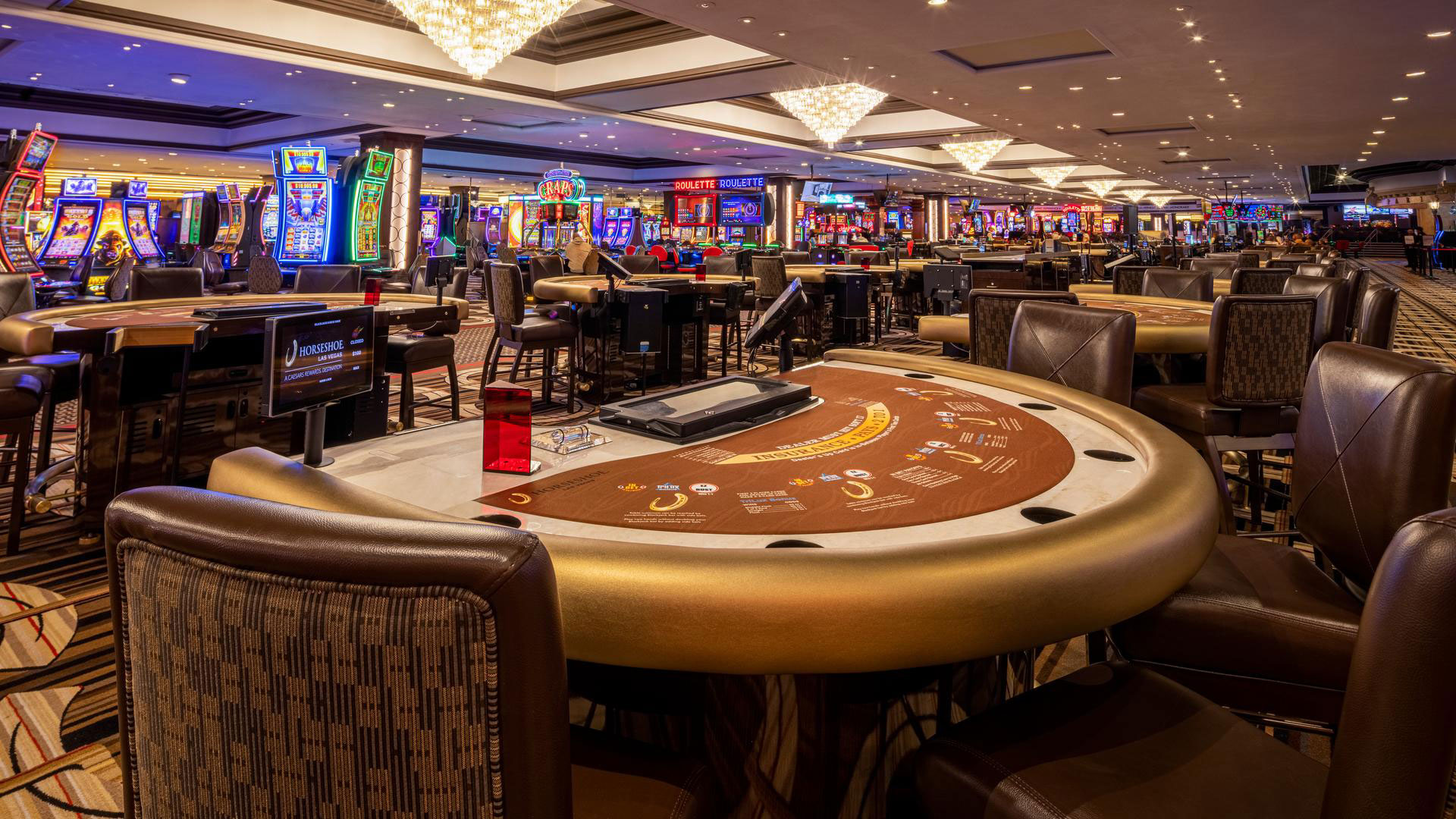
Respondents in favour of sports betting pointed to evidence of casino customers placing sports bets via mobile devices while in casinos, with casinos being an environment in which people habitually watch sport. Very few responses were received by operators who hold more than one premises licence at the same location, but the majority of these indicated that they would not look to take up the maximum entitlement of 80 machines per licence were it to be an option. When asked about the likely impact of the proposed changes, if a new regime were to take effect with the proposed new maximum of 80 gaming machines, the majority of operators (88%) stated they would look to move onto this regime. These respondents also suggested that increasing the availability of gaming machines will not make customers more likely to take breaks, due to the prospect of other customers taking over their machine and claiming their ‘perceived winnings’.
Permitting land-based casinos to offer credit to high net worth international visitors
Common ADR providers used by UK casinos include eCOGRA, IBAS (Independent Betting Adjudication Service), and the Gambling Commission’s own ADR scheme. All games offered by UKGC-licensed casinos must be independently tested to ensure fairness. We recommend choosing casinos that offer medium or high protection.
Additionally, the Commission’s research into why consumers gamble found that of the 14% of past month gamblers who reported binge gambling, 24% had done so on online slots — more than any other gambling activity, including online casino games (Figure 7 below). Some industry respondents viewed these as poorly targeted as they would apply to all consumers, including those not experiencing harm, so advocated for a greater emphasis on protections targeted towards individual accounts showing signs of risk. We therefore see merit in reducing the reliance on account-based harm reduction systems through universal measures to make the online gambling environment safer for all participants, with a particular focus on the products themselves and how they are designed. For operators, clearer obligations and greater confidence in the identity of the account user will support more effective prevention of harm, while closing off compliance risks around the prevention of illegal underage gambling and anti-money laundering due diligence.
The equalising of these machine types may come at significant costs for some businesses. Bacta have argued, however, that the benefits to operators would not be as substantial as those outlined in Option 1. A 50/50 ratio based on device types would therefore be likely to have a positive impact, allowing them to remove a number of energy intensive Category C cabinets. Data provided by the Bingo Association, based on 60 percent of bingo halls, indicates that the number of Category B to Category C and D cabinets would remain largely unchanged from the current 80/20 regime. Data provided by industry indicates that this option would achieve to a limited extent the objective of ensuring commercial flexibility.
In planning terms, individual gambling premises in England are sui generis (a class of their own) which means that new types of premises cannot be opened without planning permission. In England, the planning system also offers another layer of control to the opening of gambling premises. The Commission and licensing authorities are given broad powers to set conditions that require licensed gambling to be carried out in a way that is consistent with the licensing objectives of keeping it fair and open and free from crime, and protecting children and vulnerable people. Although submissions to the call for evidence suggested that policy statements have limited significance when weighed against the ‘aim to permit’, many licensing authorities have taken significant steps to update their policy statements and apply them when making their decisions. These objectives can inform decisions and actions, such as attaching conditions to premises licences and requiring applicants to provide certain information as part of their application, such as proximity to sensitive locations or vulnerable communities.
Affiliates are also coming under increased scrutiny (at least politically) and the links between gambling advertising and sport are likewise coming under increased political scrutiny. Where an operator is deemed to be seriously deficient, there is the possibility of a licence suspension and a small number of licensees have suffered licence suspensions. Operating licences are generally indefinite, subject to paying annual fees.
The United Kingdom Gambling Commission also has rules that dictate how operators can advertise their platforms. The latest stipulation regarding the handling of player funds is just one of many licensing conditions the UKGC has put in place to ensure the safety of all players. The arrangements falling in the medium category include Quistclose accounts and insurance arrangements. Therefore, when you choose one of our recommended UK casino sites, you can ante-up safe in the knowledge that every game is fair and all your funds will be protected and insured by the UK government.
Gaming machine categories
- Overall, the submissions from members of 38 Degrees demonstrated a generally negative view of gambling.
- Furthermore, results from GREO suggest that among 16 to 24-year-olds, gambling problems are predicted by scratchcard play, but other factors such as wellbeing, mental health disorders, general health and playing other gambling games were also contributory factors.
- In general, it is illegal for the holder of a licence to sell alcohol to facilitate betting on the premises.
- A handful of UKGC-licensed operators accept crypto via regulated third-party processors — those are fine.
The Commission issues licences to gambling operators, can levy fines and revoke licences, and is tasked with investigating and prosecuting illegal gambling. In October 2020, the Commission published the results of an investigation of BGO, GAN, and NetBet, three UK online gambling operators. In March 2020, the UKGC made it mandatory for online gambling operators to participate in the self-exclusion scheme GamStop. It is also responsible for remote gambling which includes betting online, by telephone and other communication devices using the equipment, that offer or advertise services to the residents of Great Britain. NHS survey figures also show that there is a problem gambling rate of 8.7 per cent for online gambling on slots, casino or bingo games, one of the highest rates across gambling activities.
However, we do not intend on changing any of the requirements placed on operators as we think that the current regulatory framework will ensure that licensing authorities and the Commission are notified when changes are proposed to premises under these circumstances. It will not be possible for a licensee to rely on an ancillary remote betting licence, even where the SSBT offer is alongside a non-remote offer as the ancillary licence is bound to a betting premises licence. The sliding scale will also ensure that there remains a link between gambling space and betting terminals so that the electronic offering in a casino does not overwhelm the live table offering.
We will modernise the rules for land-based gambling and make sure that all gambling, be it online or offline, is overseen by a beefed up, better funded and more proactive Gambling Commission which can make full use of technology and data to keep abreast of the industry. Looking ahead, the UK faces a number of challenges in regulating the casino industry, including the rise of online gambling, concerns about problem gambling, and the need to adapt to rapidly changing technologies. Similar to standard slot games or fruit machines available only in the highly regulated environment of casinos, FOBTs are also offered in betting shops and at tracks with pool betting. In general, there are no separate laws for remote gambling; online casinos must follow the same rules and regulations established for land-based establishments in the Gambling Act 2005. The Gambling Commission regulates not only land-based casinos and gambling premises but also the entire remote gambling sector.
Figure 12: Breakdown and value of revenue to sports from gambling sponsorship
Some stakeholders proposed an expanded pre-release product testing regime where each new game would be tested to appraise its potential to cause harm. Most respondents to the call for evidence discussed product controls in the context of limits on structural characteristics, for example limits on stake and speed of play. These reported indicators cannot be used to directly infer reductions in harm, but they do suggest a moderation in play brought about by the changes.
We have been working closely with the ICO to ensure that the way in which licensees are interpreting and implementing GDPR does not conflict with the requirements of gambling regulation1. This document may be updated from time to time in accordance with legal developments, including the finalisation of the Data Protection Bill. It will remain licensees’ responsibility to ensure they are legally compliant with GDPR and with our regulatory framework, and we recommend that operators obtain their own legal advice on compliance. Fairness, transparency, accuracy, security, data minimisation and respect for the rights of the individual whose data a business wants to process – these are all things that businesses should already be doing with data.

With over 30 years of experience in Payment Fraud Prevention, GPayments has committed itself to developing solutions that are globally interoperable and built on industry standards. Our advanced software automates the process by assessing vast amounts of data and producing detailed reports that highlight any red flags. Consequently, this guideline encompasses all aspects of gaming law in the UK.
We believe that these proposals will meaningfully reduce harms without disproportionate impacts on the sector’s ability to compete. Our intention is that these measures will directly address the advertising and marketing practices that are most strongly linked to harm. These measures will be in addition to the forthcoming introduction of requirements to not target any direct marketing at those showing strong indicators of risk, as outlined in the Gambling Commission’s requirement 10. For example, a horse racing bettor may wish to receive updates from an operator on the latest odds for upcoming races, but not online slots spins, or a sports bettor may consent to promotional offers around major events, but not want to receive marketing for bingo games.
We propose to permit casinos to offer sports betting alongside other activities and will take steps to free up unused 2005 Act casino licences where there is no prospect of development for reallocation to other local authorities. The 2005 Act sets out a range of restrictions based on the assumption that restrictions on supply (for example, casino numbers and gaming machine availability) were an important protection. The Gambling Commission provided advice highlighting the low test purchasing pass rates for gambling machines in alcohol licensed premises. Responses to our call for evidence from the on-course betting industry emphasised that since 2019 it has taken a number of steps to raise standards, including improved training and staff processes, increased test numbers at venues, and focusing on events where children were more likely to attend. While we acknowledge the views of people with personal experience of gambling harm, banning all Category D machines would non gamstop sites disproportionately affect small businesses reliant on this trade in some of the UK’s most deprived communities. Conversely, on a wider population basis there was limited evidence to suggest that Category D slot style machines were serving as a primer for future problematic engagement with gambling.
However, it would be disruptive and potentially impose additional costs onto those casinos with a gambling area of 1,500sqm or more that are already established. For 1968 Act casinos that have a smaller gambling area, the requirements set out in the sliding scale will apply. Relaxing the machine to table ratio for Small 2005 Act casinos and applying it to 1968 Act casinos that take up their new machine entitlements is also a tested concept as it is already in place in Large 2005 Act casinos.
Any remote gambling operators that kept all their equipment, facilities, etc. offshore were exempt from applying for a licence. Before this act, remote operators were only required to obtain an English licence if they had at least one piece of remote gambling equipment located within UK borders. Residents can access multiple domestic and offshore entities for casino gambling, poker and sports betting.
